
Start Building a Plan with a Lawyer You Can Count On
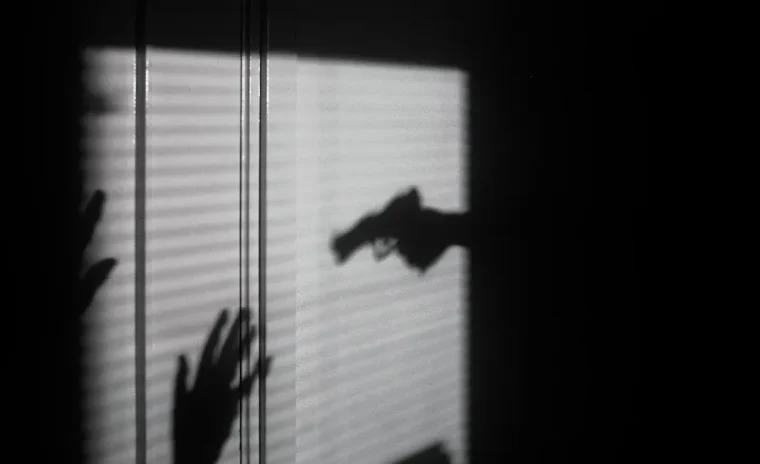
Understanding First-Degree Murder Charges in Illinois
Premeditation and Deliberation in Serious Homicide Cases
Under Illinois law, first-degree murder is the most serious homicide charge and requires proof of specific mental states and actions. The statute defines first-degree murder as intentionally or knowingly causing the death of another person, or knowing that your actions create a strong probability of death or great bodily harm. This charge also applies when someone commits a felony (such as robbery or sexual assault) and another person dies as a result, even if the death was not intended.
The key element that separates first-degree murder from other homicide charges is intent. Prosecutors must demonstrate that the accused acted with deliberation and premeditation, meaning they thought about the act beforehand and made a conscious decision to kill. This does not require days or even hours of planning. Under Illinois law, the decision can be formed moments before the act, as long as there was a period of reflection, however brief.
Evidence that supports a first-degree murder charge often includes statements made before or after the incident, the manner in which the act was carried out, and whether the defendant obtained a weapon or took steps to conceal the crime. The prosecution may also present witness testimony, forensic evidence, and digital communications to establish intent. Because of the severity of the charge, which carries a mandatory sentence of 20 to 60 years in prison (or natural life in certain circumstances), understanding the elements of first-degree murder is critical for anyone facing these allegations. A criminal trial attorney can examine the evidence, challenge the prosecution’s theory of intent, and identify weaknesses in the case that may lead to reduced charges or acquittal.
Second-Degree Murder and Mitigating Factors
Mitigating Circumstances That Reduce Culpability
When someone is accused of unlawfully taking another person’s life in Illinois, the specific charge they face can dramatically alter the trajectory of their case and the potential consequences they may encounter. Understanding the differences between first-degree murder, second-degree murder, and involuntary manslaughter is essential for anyone facing homicide charges in Illinois or seeking to understand how the criminal justice system categorizes these offenses.
Illinois law recognizes distinct categories of homicide, each defined by the defendant’s mental state, the circumstances surrounding the death, and whether certain mitigating factors were present. The classification of a charge directly impacts the possible penalties, the defense strategies available, and the likelihood of negotiating a reduced charge. This article explains the legal distinctions between first-degree murder, second-degree murder, and involuntary manslaughter under Illinois law, the penalties associated with each, and how the evidence and circumstances of a case can influence charges and defense approaches.
First-Degree Murder Under Illinois Law
First-degree murder is the most serious homicide charge in Illinois. Under 720 ILCS 5/9-1, a person commits first-degree murder when they kill an individual and one of the following conditions is met:
- The person intends to kill or do great bodily harm to that individual or another person, or
- The person knows that their actions create a strong probability of death or great bodily harm to that individual or another person, or
- The person is attempting or committing a forcible felony other than second-degree murder.
The key element of first-degree murder is the defendant’s intent or knowledge. The prosecution must prove that the defendant either intended to cause death or great bodily harm, or knowingly engaged in conduct that created a strong probability of such harm. This mental state, referred to as the “mens rea”, is what separates first-degree murder from lesser charges.
First-degree murder is a Class M felony in Illinois, and it carries the most severe penalties of any homicide offense. A conviction can result in a prison sentence ranging from 20 to 60 years, or even natural life imprisonment in certain aggravated circumstances. There is no possibility of probation for first-degree murder, and defendants convicted of this charge must serve 100 percent of their sentence.
Second-Degree Murder and Mitigating Circumstances
Second-degree murder is not a separate offense in the traditional sense; rather, it is a mitigated form of first-degree murder. Under 720 ILCS 5/9-2, a defendant who would otherwise be guilty of first-degree murder may be convicted of second-degree murder if certain mitigating factors are present at the time of the killing.
These mitigating factors include:
- The defendant acted under a sudden and intense passion resulting from serious provocation by the victim or another person whom the defendant reasonably believed was the victim, or
- The defendant unreasonably believed that the killing was justified, meaning they believed their actions were legally justified (such as in self-defense or defense of another) but that belief was unreasonable under the circumstances.
It is important to understand that second-degree murder still involves the intent to kill or knowledge that one’s actions create a strong probability of death or great bodily harm. The difference is that the defendant’s mental state was influenced by sudden passion or an unreasonable but genuine belief in justification. Illinois law does not treat second-degree murder as an “unintentional killing”, that characterization more accurately describes involuntary manslaughter.
The presence of mitigating circumstances can significantly reduce the severity of the charge and the resulting penalties. Second-degree murder is a Class 1 felony in Illinois, carrying a prison sentence of 4 to 20 years. While this is still a serious conviction, it offers a far less severe sentencing range than first-degree murder and may provide defendants with more opportunities for a favorable outcome.
Involuntary Manslaughter: Intent, Recklessness, and Legal Distinctions
Involuntary manslaughter is a separate offense under Illinois law, and it differs from both first-degree and second-degree murder in critical ways. Under 720 ILCS 5/9-3, a person commits involuntary manslaughter when:
- They unintentionally kill an individual without lawful justification while performing an act that is likely to cause death or great bodily harm, or
- They unintentionally kill an individual without lawful justification while performing a lawful act in a reckless manner likely to cause death or great bodily harm, or
- The death results from certain drug-induced or DUI-related conduct.
The defining characteristic of involuntary manslaughter is the absence of intent to kill. Unlike first-degree and second-degree murder, involuntary manslaughter involves reckless conduct or actions that the defendant should have known posed a serious risk of harm, but the defendant did not intend to cause death. This distinction is crucial in Illinois homicide law.
For example, if a person fires a weapon into the air in a crowded area without intending to hit anyone, but a stray bullet kills someone, they may be charged with involuntary manslaughter rather than murder. The person acted recklessly and created a foreseeable risk of death, but they did not have the intent to kill or knowledge that death was a strong probability.
Involuntary manslaughter is a Class 3 felony in Illinois, carrying a potential prison sentence of 2 to 5 years. In some cases, probation may be an option. This is a significantly lighter penalty than either first-degree or second-degree murder, reflecting the lower level of culpability associated with unintentional killings.
How Charges Are Determined: The Role of Evidence, Intent, and Circumstances
The classification of a homicide charge depends on the evidence available, the defendant’s mental state, and the specific circumstances surrounding the death. Prosecutors evaluate several factors when deciding which charge to bring, including:
- The defendant’s actions leading up to and during the incident
- Witness statements and physical evidence
- The defendant’s statements to law enforcement
- Whether there was premeditation or planning
- Whether there was provocation or evidence of sudden passion
- Whether the defendant believed they were acting in self-defense or defense of another
- Whether the death was the result of reckless behavior rather than intentional harm
Defense attorneys play a critical role in challenging the prosecution’s characterization of the defendant’s mental state and the circumstances of the case. For example, a second-degree murder defense attorney may argue that the defendant acted under sudden and intense passion due to serious provocation, or that the defendant held an unreasonable but genuine belief that their actions were legally justified. These arguments can be the difference between a first-degree murder conviction and a second-degree murder conviction, with drastically different sentencing outcomes.
Similarly, a defense attorney may argue that the evidence does not support the intent required for murder and that the charge should be reduced to involuntary manslaughter. This might involve demonstrating that the defendant’s conduct was reckless but not intentional, or that the death was the result of an accident rather than a deliberate act.
Illinois Murder Penalties and the Impact of Charge Classification
The classification of a homicide charge has a profound impact on the penalties a defendant may face. Illinois murder penalties vary widely depending on whether the charge is first-degree murder, second-degree murder, or involuntary manslaughter.
First-degree murder, as noted, carries a sentence of 20 to 60 years or natural life imprisonment, with no possibility of probation and mandatory 100 percent time served. Aggravating factors, such as the murder of a police officer, multiple victims, or certain methods of killing, can increase the sentence or result in natural life imprisonment.
Second-degree murder, by contrast, carries a sentence of 4 to 20 years as a Class 1 felony. While still serious, this sentencing range provides significantly more flexibility and the possibility of a shorter prison term, particularly if mitigating factors are strong and the defendant has no prior criminal history.
Involuntary manslaughter, as a Class 3 felony, carries a sentence of 2 to 5 years, and in some cases, probation may be available. This reflects the lower level of culpability and the absence of intent to kill.
Understanding these sentencing ranges is critical for defendants and their families. The difference between a first-degree murder conviction and a second-degree murder conviction can mean the difference between spending 20 years or more in prison versus a sentence that allows for earlier release and the possibility of rebuilding one’s life.
Defense Strategies for Homicide Charges in Illinois
Defending against homicide charges in Illinois requires a thorough understanding of the legal distinctions between first-degree murder, second-degree murder, and involuntary manslaughter, as well as a detailed analysis of the evidence and circumstances of the case. Common defense strategies include:
- Challenging the prosecution’s evidence of intent: If the prosecution cannot prove that the defendant intended to kill or knew their actions would likely cause death, the charge may be reduced from murder to manslaughter.
- Arguing sudden and intense passion: If the defendant acted under serious provocation and sudden passion, a second-degree murder defense may be viable, reducing the charge from first-degree murder.
- Asserting unreasonable belief in justification: If the defendant genuinely believed they were acting in self-defense or defense of another, but that belief was unreasonable, this can support a second-degree murder defense.
- Demonstrating recklessness rather than intent: If the death resulted from reckless conduct rather than intentional harm, involuntary manslaughter may be the appropriate charge.
- Challenging the reliability of witness testimony and physical evidence: In many cases, the prosecution’s case depends on witness statements and forensic evidence that may be incomplete, inconsistent, or subject to alternative interpretations.
An experienced criminal trial attorney will carefully review all aspects of the case, including police reports, witness statements, forensic evidence, and the defendant’s own account, to build the strongest possible defense. In some cases, it may be possible to negotiate a reduction in charges before trial; in others, the case may proceed to trial, where the defense attorney will challenge the prosecution’s evidence and present alternative explanations for the events in question.
Frequently Asked Questions
Can a first-degree murder charge be reduced?
Yes, in some cases, a first-degree murder charge can be reduced to second-degree murder or even involuntary manslaughter if the evidence supports the presence of mitigating factors or demonstrates that the defendant’s mental state did not meet the legal standard for first-degree murder. This may occur through plea negotiations or as a result of evidence presented at trial. The availability of a reduced charge depends on the specific facts of the case, the strength of the evidence, and the skill of the defense attorney in presenting mitigating circumstances.
What is the difference between murder and involuntary manslaughter?
The primary difference between murder (whether first-degree or second-degree) and involuntary manslaughter is intent. Murder requires that the defendant intended to kill or cause great bodily harm, or knew that their actions created a strong probability of death or great bodily harm. Involuntary manslaughter, by contrast, involves unintentional killing resulting from reckless conduct or actions that the defendant should have known posed a serious risk of harm. In other words, murder involves intent or knowledge, while involuntary manslaughter involves recklessness without intent to kill.
How does Illinois distinguish second-degree murder from involuntary manslaughter?
Illinois distinguishes second-degree murder from involuntary manslaughter based on the presence or absence of intent to kill or cause great bodily harm. Second-degree murder is a mitigated form of first-degree murder; it involves the same intent or knowledge required for first-degree murder, but with mitigating circumstances such as sudden passion from serious provocation or an unreasonable belief in justification. Involuntary manslaughter, on the other hand, involves no intent to kill, the death results from reckless conduct or unintentional actions. This is a critical legal distinction and one that significantly affects the charges and penalties a defendant may face.
Why Legal Representation Matters in Homicide Cases
Homicide charges are among the most serious allegations a person can face in the Illinois criminal justice system. The consequences of a conviction can include lengthy prison sentences, the loss of civil rights, and lifelong stigma. Given the complexity of Illinois manslaughter laws and the legal distinctions between different homicide charges, it is essential to work with a criminal defense attorney who understands the nuances of Illinois law and has experience handling serious felony cases.
A knowledgeable attorney can evaluate the evidence, identify weaknesses in the prosecution’s case, and develop a defense strategy tailored to the specific circumstances of the case. Whether the goal is to negotiate a reduced charge, present mitigating evidence at trial, or challenge the prosecution’s characterization of the defendant’s mental state, legal representation can make a significant difference in the outcome of a case.
If you or someone you care about is facing homicide charges in Illinois, it is important to seek legal guidance as early as possible. The sooner an attorney can begin reviewing the evidence and building a defense, the better the chances of achieving a favorable outcome. Contact a criminal trial attorney in Chicago who can provide the guidance and advocacy you need during this difficult time.
When Recklessness Crosses the Line Into Criminal Homicide
When Recklessness Crosses the Line Into Criminal Homicide
Involuntary manslaughter occupies a distinct category in Illinois homicide law. Unlike first-degree and second-degree murder, which require intent to kill or cause great bodily harm, involuntary manslaughter involves reckless conduct that results in death without the intent to kill. This is a critical legal distinction, and understanding it is essential for anyone facing homicide charges or trying to make sense of the charges filed against another person.
Under Illinois law, involuntary manslaughter occurs when a person unintentionally kills another while performing an act likely to cause death or great bodily harm, or while committing a non-felony offense that is likely to cause death or great bodily harm. The key word is recklessness. The accused must have been aware that their conduct created a substantial risk of death or serious injury, yet consciously disregarded that risk. This is more than ordinary negligence; it is a gross deviation from the standard of care that a reasonable person would observe.
An example might involve a driver who races through a residential neighborhood at high speed, fully aware of the danger, and strikes and kills a pedestrian. The driver did not intend to kill anyone, but their reckless disregard for human life meets the standard for involuntary manslaughter. Similarly, someone who recklessly handles a firearm in a crowded space and accidentally discharges it, killing another person, may be charged with involuntary manslaughter rather than murder.
The distinction between second-degree murder and involuntary manslaughter often hinges on whether there was intent to harm. Second-degree murder involves intentional acts committed under mitigating circumstances, while involuntary manslaughter involves reckless acts without the intent to kill. Involuntary manslaughter is a Class 3 felony in Illinois, punishable by 2 to 5 years in prison, though sentences can be extended in cases involving aggravating factors. Because the classification of the charge dramatically affects sentencing, working with a criminal lawyer early in the process allows you to understand your options and build a strong defense based on the specific evidence in your case.
Sentencing Outcomes Across Homicide Classifications
The classification of a homicide charge in Illinois has profound consequences for sentencing. The difference between a first-degree murder conviction and a second-degree murder conviction can mean the difference between spending 20 to 60 years in prison and spending 4 to 20 years. The difference between second-degree murder and involuntary manslaughter can mean the difference between decades in prison and a sentence measured in single-digit years. Understanding these distinctions is not academic; it directly impacts the rest of a person’s life.
First-degree murder carries the harshest penalties. A conviction results in a mandatory prison sentence of 20 to 60 years. In cases involving certain aggravating factors, such as the murder of a police officer or multiple victims, the sentence can be extended to natural life without parole. There is no possibility of probation, and the defendant must serve 100 percent of the sentence imposed. Illinois abolished the death penalty, but the sentences for first-degree murder remain among the most severe in the nation.
Second-degree murder, by contrast, is a Class 1 felony with a sentencing range of 4 to 20 years. While still a serious conviction, it offers significantly more flexibility in sentencing and the possibility of earlier release. Defendants convicted of second-degree murder may be eligible for good conduct credits that reduce the time served. The reduced sentence reflects the law’s recognition that the defendant acted under emotional disturbance or mistaken belief, even though the act itself was intentional.
Involuntary manslaughter is a Class 3 felony, carrying a sentence of 2 to 5 years in prison. In some cases, defendants may be eligible for probation, especially if there are no prior felony convictions and mitigating circumstances are present. However, if the manslaughter involved the use of a firearm or occurred in a school zone, extended sentencing provisions may apply, increasing the prison term to 5 to 10 years. The facts of the case, the defendant’s criminal history, and the quality of the legal defense all influence the final sentence.
Because the stakes are so high, the role of a criminal trial attorney is indispensable. Defense strategy must account for the specific elements of each charge, the strength of the prosecution’s evidence, and the availability of mitigating factors that could reduce the charge or the sentence. Whether negotiating a plea agreement or presenting a case at trial, the goal is to secure the most favorable outcome possible given the circumstances. If you or someone you care about is facing homicide charges, understanding the differences in charges and penalties is the first step. The next step is securing legal representation that can navigate the complexities of Illinois criminal law and advocate effectively on your behalf. You can learn more about how we approach these cases by visiting our contact page.
Building a Defense Strategy Based on Evidence and Intent
First-degree murder in Illinois carries the most severe penalties of any homicide offense. A conviction results in a prison sentence ranging from 20 to 60 years, with no possibility of probation or conditional discharge. In cases involving aggravating factors such as the murder of a police officer, multiple victims, or particularly brutal circumstances, the sentence can be extended to natural life imprisonment. Because first-degree murder is classified as a Class M felony under Illinois law, those convicted must serve 100 percent of their imposed sentence without the possibility of early release for good behavior.
Second-degree murder convictions carry significantly reduced sentences compared to first-degree murder. The sentencing range for second-degree murder is typically four to 20 years in prison, though aggravating factors can extend the sentence to 30 years. Importantly, individuals convicted of second-degree murder may be eligible for parole and do not face the mandatory natural life sentences that can accompany first-degree convictions. The recognition of mitigating circumstances such as sudden provocation or unreasonable belief in self-defense allows the court to impose sentences that reflect the reduced culpability of the defendant.
Involuntary manslaughter results in the least severe sentencing among Illinois homicide offenses. As a Class 3 felony, involuntary manslaughter carries a sentencing range of two to five years in prison, though probation may be possible in some cases depending on the defendant’s criminal history and the circumstances of the offense. The lower sentencing range reflects the absence of intent to kill and acknowledges that the death resulted from reckless behavior rather than deliberate action. For individuals facing homicide charges, understanding these sentencing distinctions is essential, as the classification of the charge can mean the difference between decades in prison and a sentence measured in years. Working with a criminal trial attorney who understands Illinois sentencing guidelines can help you navigate these complex legal outcomes and advocate for the most favorable resolution based on the facts of your case.
